

ADHD, autism, neurodiversity and diagnosis
ADHD, Autism and other forms of neurodiversity are not illnesses to be cured - they are ways of experiencing, understanding and responding to the world. Yet in a society designed by neuro-dominance many are of us grow up with masks that keep our true feelings and preferences hidden.
Many neurodivergent people grow up feeling different without fully understanding why. They may struggle with attention, organisation, sensory sensitivities, social situations, emotional regulation or feeling overwhelmed by everyday demands. Over time, these experiences can affect every aspect of live. Sometimes anxiety, depression, burnout and low self-esteem develop alongside these challenges, or can creep up and take us by surprise in later life when suddenly we simply can’t do it any more.
For some people, seeking an assessment can bring clarity and relief. Receiving an ADHD or Autism diagnosis can help make sense of experiences that may have felt confusing for many years. It can provide a new understanding of strengths, challenges and needs, while helping individuals and families access appropriate support.
Therapy offers a space to explore these experiences without judgement. There may be feelings of grief for years spent struggling, anger at being misunderstood, or relief at finally having an explanation. There may also be questions about identity, relationships and how to create a life that feels more manageable and authentic.
Neurodiversity-affirming therapists understand that each person's experience is unique. Therapy is not about changing who you are, but about understanding yourself more fully and developing ways to work with your strengths and support your challenges. Together, you can explore practical strategies, emotional wellbeing and self-acceptance so that you can move forward with greater confidence and a deeper understanding of yourself.
Meet the Team
-
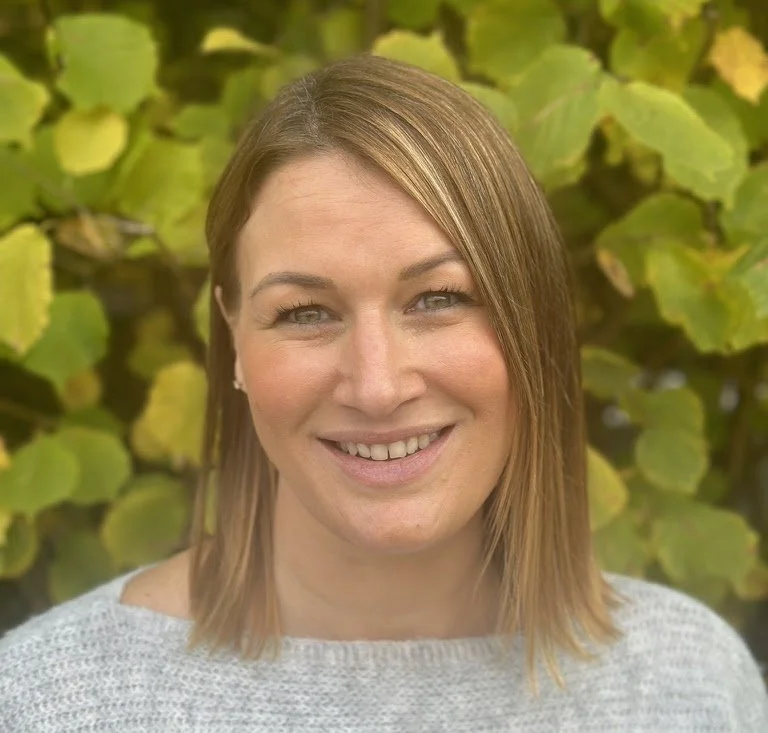
Lucy Wheen
COUNSELLING PSYCHOLOGIST
Lucy provides specialist support for children, young people, adults, and families who are experiencing difficulties with their mental health, emotional wellbeing, or relationships. She also provides autism assessments and post-diagnostic support that is affirming, collaborative, and tailored to each individual and their family.
-

Ellie Smale
INTERGRATIVE TRAUMA AND ATTACHMENT THERAPIST
Ellie is not specifically trained in neurodiversity but often supports those those questioning how their mind processes the world around them. Regardless of ‘neurotype’, the things we have experienced are woven with how we experience them. There can often be a sense of unweaving and reweaving of who we feel we are, and a reevaluation of who we give ourselves permission to be. There can be trauma in living undiagnosed, misunderstood and not allowed ‘to be’.